Get Basement Drainage Installation
Basement drainage installation services help property owners prevent water damage and flooding by installing effective drainage systems in various basement renovation and waterproofing projects.
Proper basement drainage is essential for maintaining a dry, stable, and comfortable property. Homeowners in the area often explore drainage installation services to prevent issues like water intrusion, mold growth, and structural damage. By planning carefully and comparing options from local contractors, property owners can find solutions tailored to their specific needs, ensuring long-term protection and peace of mind.
This page connects visitors with experienced service providers who specialize in basement drainage systems. Whether addressing persistent water problems or proactively safeguarding a property, exploring local contractors can help identify effective, reliable solutions. Keep reading to learn more about how professional drainage installation can support the integrity and value of a property.
- Basement Flood Prevention - when persistent water intrusion threatens to damage foundations or belongings.
- Drainage System Installation - for properties experiencing poor water runoff or pooling around the basement.
- Sump Pump Setup - in homes prone to basement flooding during heavy rains or high water tables.
- Drainage Repair Services - when existing drainage systems are clogged, damaged, or ineffective.
- Waterproofing Solutions - for basements showing signs of moisture or water seepage through walls or floors.
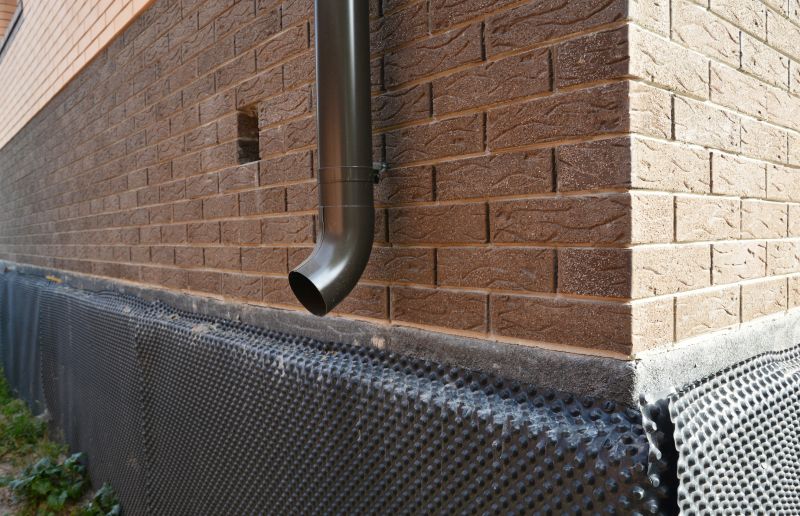
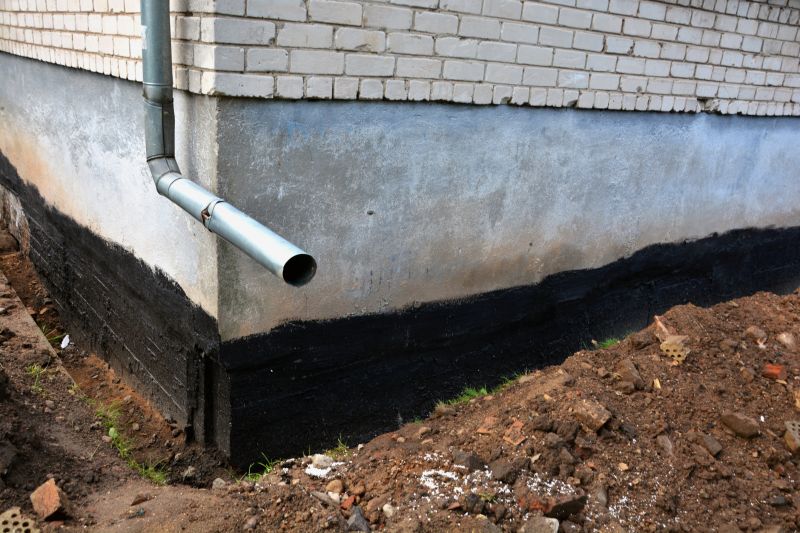
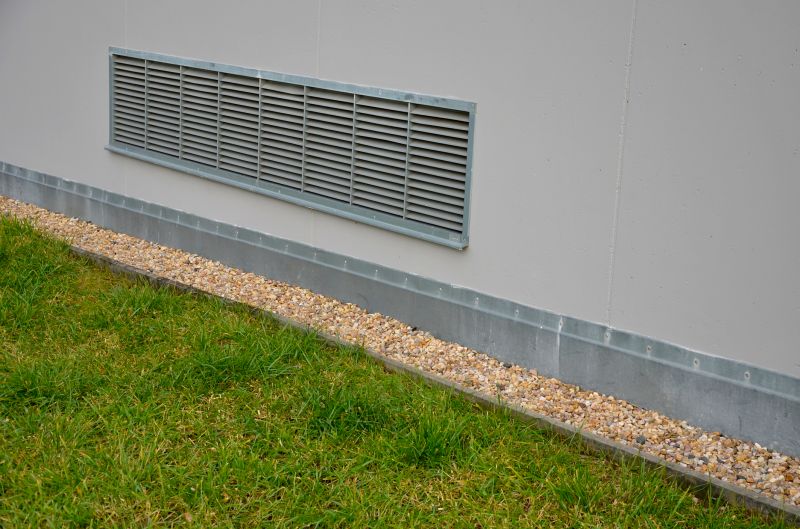
Basement drainage installation involves setting up a system designed to manage excess water around a property's foundation. This service typically includes installing drain pipes, sump pumps, and other components that redirect water away from the basement area. Proper installation helps prevent water from seeping through foundation walls or pooling around the foundation, which can cause damage and compromise the structural integrity of the property. Local contractors specializing in basement drainage can assess the property’s specific needs and recommend solutions tailored to ensure effective water management.
Many common problems signal the need for basement drainage solutions. These include frequent basement flooding, persistent dampness or mold growth, and water stains on walls or floors. Properties that are located in areas with heavy rainfall or poor drainage are more susceptible to these issues. Additionally, homes with basements that sit below or near water tables often require drainage systems to keep water out. Addressing these problems early with professional drainage installation can help protect the property from long-term water damage and reduce the risk of costly repairs down the line.
Basement drainage services are often used in residential properties, especially older homes or those built in flood-prone regions. Homeowners with basements that experience water intrusion during storms or heavy rains frequently seek these solutions. Commercial buildings with underground levels or parking garages may also require drainage systems to prevent water accumulation. Whether a property is new or existing, local service providers can evaluate the site, identify potential drainage issues, and install a system that effectively manages water flow to keep basements dry and secure.
Choosing to work with experienced local contractors for basement drainage installation ensures that the system is properly designed and installed to meet the specific needs of the property. These professionals can handle a variety of property types and conditions, providing tailored solutions that help prevent water-related problems. Proper drainage not only protects the foundation and interior spaces but also contributes to the overall durability and value of the property. Contacting local experts can provide the guidance needed to select the right drainage system and ensure it is installed correctly for long-lasting results.
The overview below groups typical Basement Drainage Installation projects into broad ranges so you can see how smaller, mid-sized, and larger jobs often compare in your area.
In many markets, a large share of routine jobs stays in the lower and middle ranges, while only a smaller percentage of projects moves into the highest bands when the work is more complex or site conditions are harder than average.
Smaller Repairs - Most routine drainage fixes in basements typically cost between $250 and $600. These projects usually involve sealing minor leaks or clearing blocked drains and are common for many homeowners.
Partial Drainage System Installation - Installing or upgrading a section of a basement drainage system generally ranges from $1,200 to $3,500. Many local contractors handle these projects within this middle range, depending on the size of the area.
Full Basement Drainage Replacement - Complete overhaul of basement drainage systems can cost between $4,000 and $8,000 or more. Larger, more complex projects, such as excavations or custom solutions, can push costs higher, though these are less common.
Complex or Custom Drainage Solutions - Highly specialized or extensive drainage systems, including waterproofing and foundation repairs, may reach $10,000 or beyond. These projects are typically reserved for severe or longstanding issues requiring significant work by experienced local pros.
Actual totals will depend on details like access to the work area, the scope of the project, and the materials selected, so use these as general starting points rather than exact figures.
Foundation Waterproofing Projects - local contractors often use similar waterproofing techniques and tools when preventing water intrusion around building foundations.
Grading and Site Drainage Projects - these projects involve planning and installing drainage systems to direct water away from structures, sharing skills with basement drainage installation.
Sump Pump Installation Services - installing sump pumps requires understanding of drainage systems and water management, making it related to basement waterproofing efforts.
Crawl Space Encapsulation Projects - sealing and insulating crawl spaces involve moisture control and drainage planning similar to basement drainage systems.
Concrete Drainage Channel Installation - installing channels for surface water runoff involves skills in planning and executing effective drainage solutions.
Retaining Wall Drainage Projects - designing and installing drainage behind retaining walls requires expertise in managing water flow and preventing structural damage.
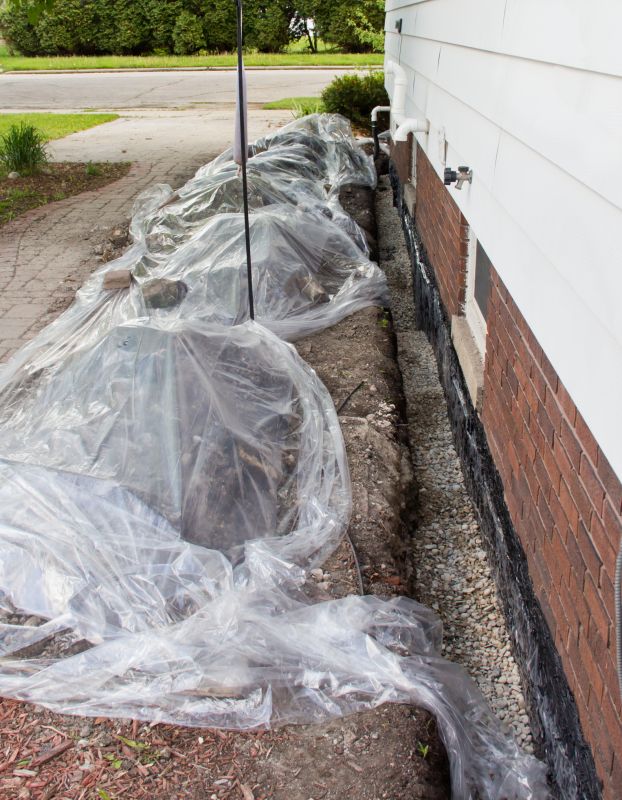
When comparing local contractors for basement drainage installation, it’s important to consider their experience with similar projects. Homeowners should look for service providers who have a proven track record of handling basement drainage systems comparable to the scope of their needs. This can include understanding the specific challenges of the property, such as soil conditions or existing foundation issues, and demonstrating familiarity with effective installation techniques. A contractor’s history of successful work on comparable projects can offer valuable insight into their capability to deliver quality results.
Clear written expectations are essential when evaluating potential service providers. Homeowners should seek contractors who provide detailed proposals that outline the scope of work, materials to be used, and any relevant warranties or guarantees. Having these expectations documented helps ensure everyone is aligned and reduces the likelihood of misunderstandings. It’s also helpful to ask service providers for references or examples of past work, so homeowners can verify the quality and reliability of their services before making a decision.
Effective communication plays a key role in a smooth project experience. Local contractors who are responsive, transparent, and willing to answer questions can make the process more straightforward. Homeowners should prioritize service providers who explain their approach clearly and provide accessible channels for ongoing communication. By choosing local pros with a reputation for good communication, homeowners can feel more confident that their project will be managed professionally and that any concerns will be addressed promptly. Remember, this site is designed to introduce homeowners to trusted local options, not to perform the work directly.
Property owners use Basement Drainage Installation services for practical projects around their homes and businesses. This guide focuses on everyday jobs and straightforward project options.
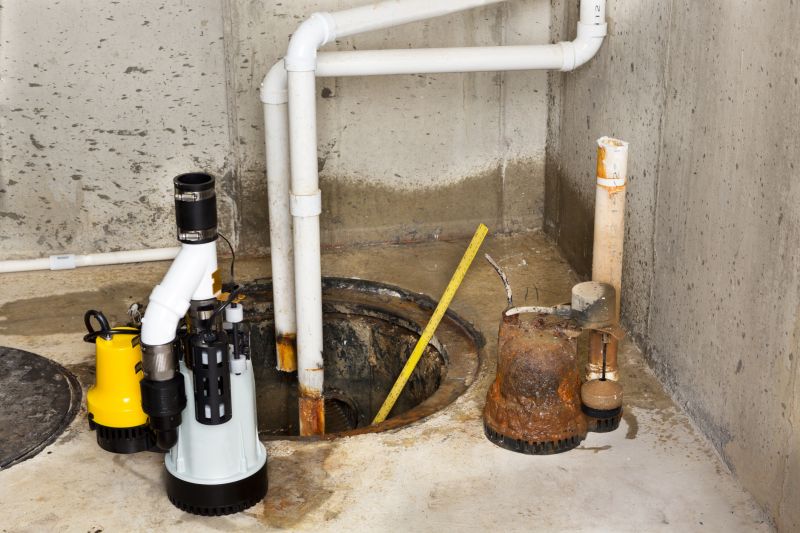
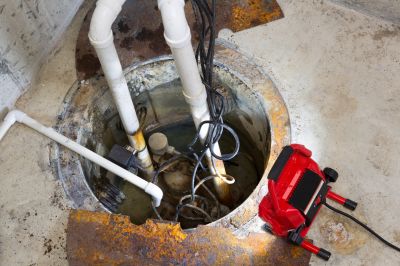
Basement drainage installation is a common project for property owners dealing with excess water or persistent dampness in their basements. Local contractors are often called upon when homeowners notice issues like water pooling after heavy rains, musty odors, or visible signs of moisture on walls and floors. Proper drainage systems help prevent water from seeping into the basement, protecting the property and maintaining a healthier indoor environment.
Many property owners seek basement drainage services to address ongoing water problems or to prepare for future weather challenges. Local service providers can assess existing drainage setups or install new systems tailored to the specific needs of the property. Whether dealing with minor leaks or significant flooding concerns, connecting with experienced contractors can ensure effective solutions to keep basements dry and secure.
What is basement drainage installation? Basement drainage installation involves setting up systems such as sump pumps, drain tiles, and waterproof barriers to prevent water from accumulating in the basement area.
Why should I consider professional basement drainage services? Professional contractors can assess your property's specific needs and install effective drainage solutions to reduce the risk of water damage and mold growth.
What types of drainage systems are available for basements? Common options include interior drain tiles, exterior waterproofing, sump pump systems, and drainage membranes, depending on the basement's condition and water issues.
How do local contractors determine the best drainage solution? They evaluate factors like the basement's foundation, soil type, water table level, and existing drainage issues to recommend suitable systems.
What should I look for in a basement drainage installation service? Seek experienced service providers who understand basement waterproofing techniques, use quality materials, and can tailor solutions to your property's needs.
Basement Drainage System Installation - Property owners can improve basement dryness by installing effective drainage solutions to prevent water buildup during heavy rains.
Drainage Maintenance and Repairs - Regular maintenance or repairs of existing drainage systems can help avoid flooding and water damage in lower levels of the property.
Waterproofing Solutions - Combining drainage installation with waterproofing can create a dry, stable basement environment for storage or living space.
Drainage System Upgrades - Upgrading outdated or ineffective drainage components can enhance overall property protection against water intrusion.
If you are thinking about Basement Drainage Installation for a property, this guide is meant to help you understand the work, the typical project types, and how different options might fit your plans.
When you are ready, you can use the quote form on this page to share a few details about your project. From there, local pros can review the basics and respond with options that match what you have in mind.